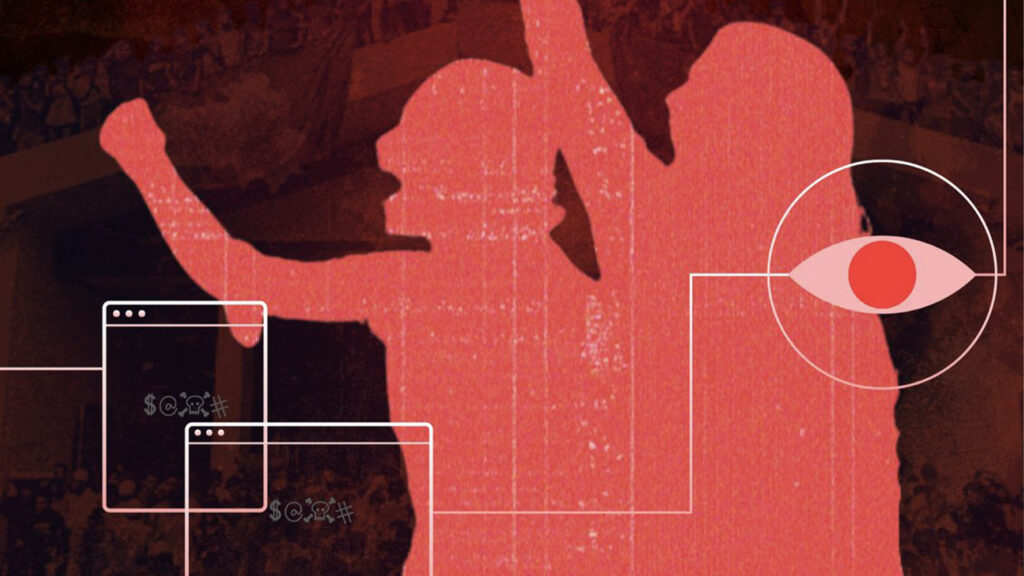
In the aftermath of Bangladesh’s July–August 2024 uprising—when women emerged as visible leaders, organizers, and symbols of resistance—the digital sphere quickly became a site of backlash and control. This report examines how technology-facilitated gender-based violence (TFGBV) intensified against women who became publicly visible during and after the uprising. Focusing on fourteen activists, students, journalists, and public figures, it shows how deepfakes, fabricated news cards, sexualized rumors, and coordinated harassment were deployed to punish visibility and deter women’s civic and political participation. Drawing on verified fact-checks, platform monitoring, and qualitative interviews, the study demonstrates that these attacks were not isolated incidents but part of a systematic, gendered strategy of silencing. It also highlights how platform design and weak moderation amplified harm, creating a chilling effect that extends far beyond direct targets. We introduce this report to document these patterns, foreground women’s experiences, and underscore the urgent need for accountability and structural reform.